


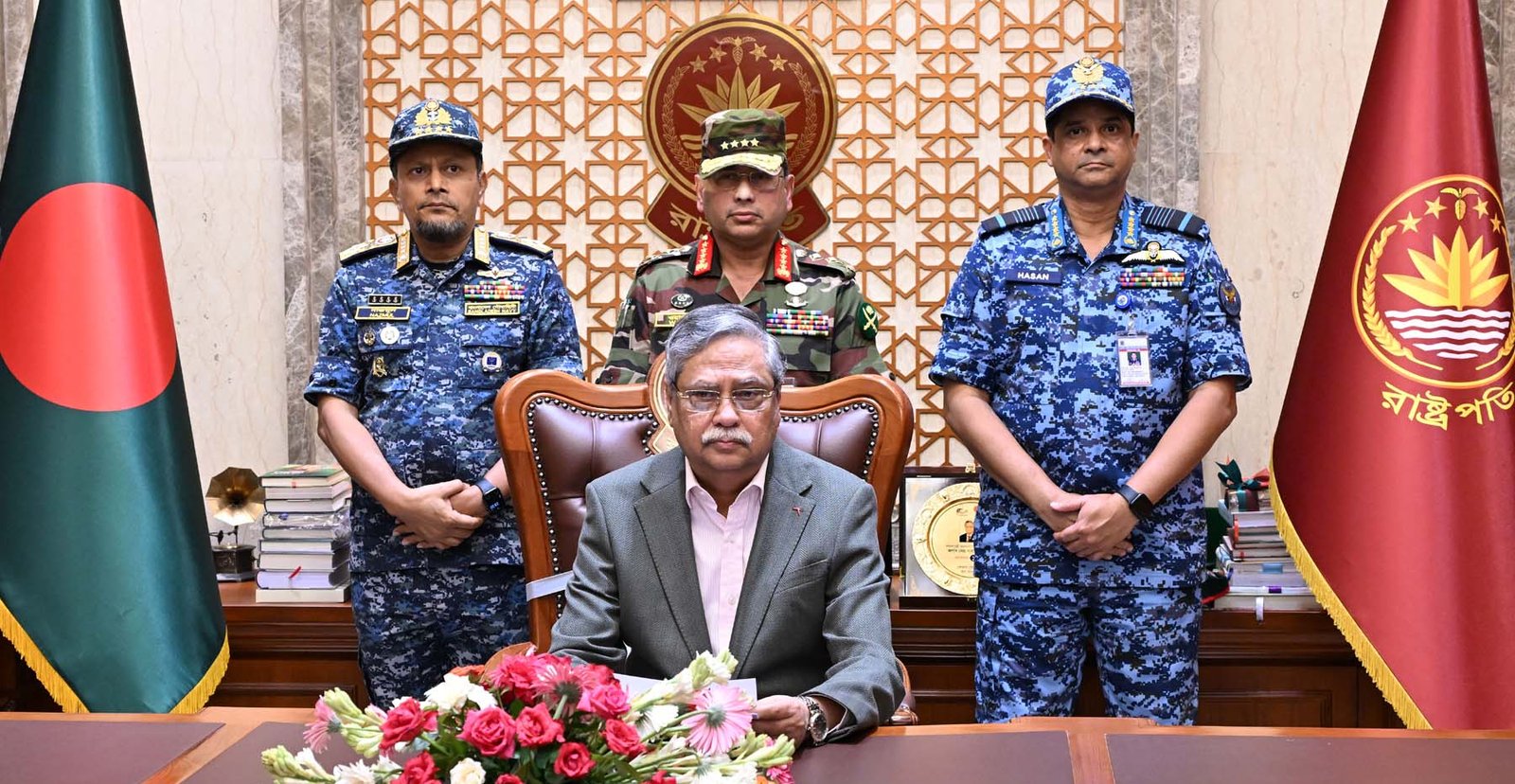
On July 24, 2026, Bangladesh President Mohammad Shahabuddin resigned from office after weeks of political uncertainty. Speaker Hafiz Uddin Ahmad accepted the resignation effective immediately under Article 50(3) of the Constitution. A day later, the Cabinet Division issued a gazette notification confirming acceptance of Shahabuddin’s resignation letter, adding that the Speaker would discharge the responsibilities of the President until a new President is elected in accordance with Article 54 of the Constitution. Shivangi Sharma analyses the developments.
The resignation of President Mohammad Shahabuddin is a significant political development in Bangladesh’s post-July uprising transition, marking the end of his constitutional immunity and intensifying demands for accountability over the July-August 2024 violence. Within days of Shahabuddin’s departure from office, on July 26, 2026, the Chief Prosecutor’s Office of the International Crimes Tribunal (ICT) filed a complaint against the outgoing President. Two organisations- the Bangladesh Azadi Party and Rashtra Sanglap Forum, filed separate complaints. Rashtra Sanglap Forum Central Member Secretary Al Noor Mohammad Ayas named Shahabuddin a ‘close associate’ of former Prime Minister Sheikh Hasina in the complaint, and demanded an impartial investigation and trial for Shahabuddin’s role in ordering the shooting, inhuman torture, murder, and disappearance of students participating in the July mass uprising of 2024. In addition, the Azadi Party filed a complaint against former President Mohammad Abdul Hamid, along with Shahabuddin. After filing the complaint with the Chief Prosecutor’s Office, Azadi Party Convener Lt Col Mohammad Hasinur Rahman (Retired) declared, “So many people have been killed and disappeared until August 5; these two former presidents never protested. They had given tacit consent to these crimes.”
Shahabuddin assumed office as President of Bangladesh on April 24, 2023, for a five-year term under the Awami League government. During his 39-month tenure, he oversaw two national elections, administered the oath of office to three Prime Ministers, and witnessed the July-August 2024 mass uprising that led to the fall of the Awami League government and the departure of then-Prime Minister Sheikh Hasina from Bangladesh. His Presidency coincided with one of the most politically turbulent periods in Bangladesh’s recent history.
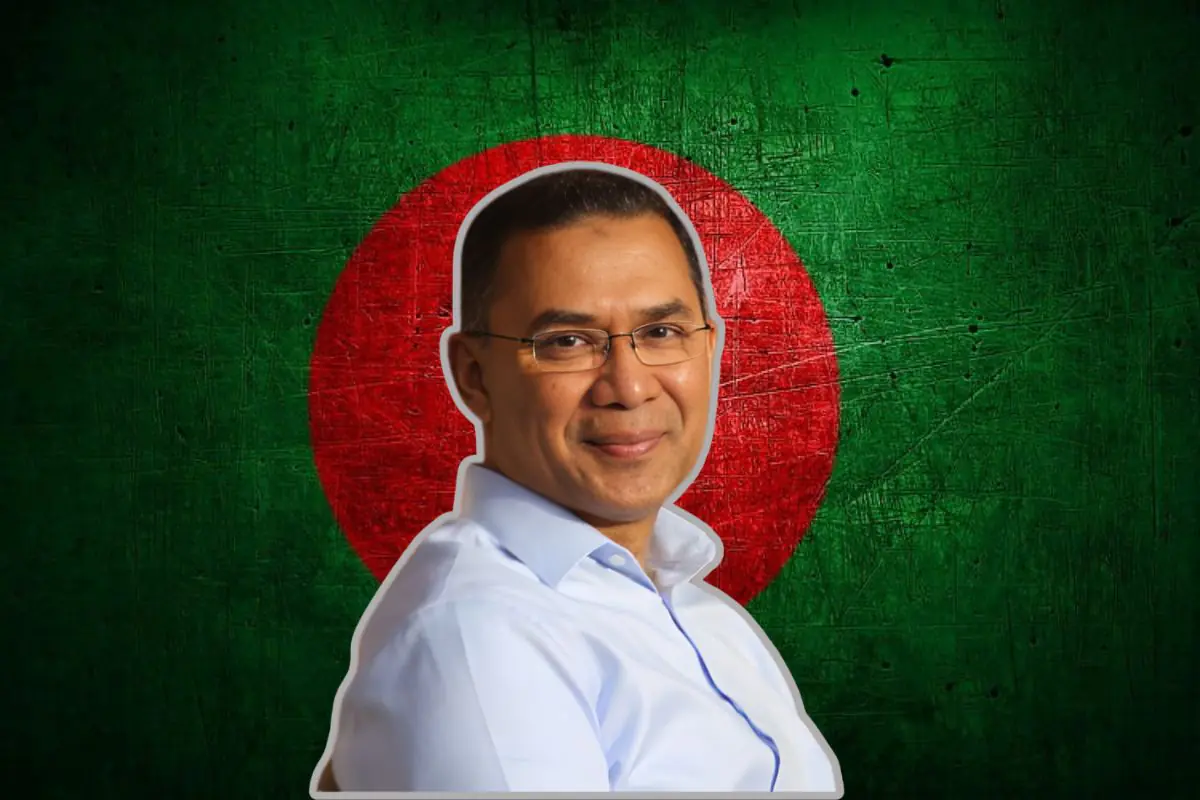
Following the President’s resignation, Nahid Islam, Convener of the National Citizens Party (NCP), called for vigilance to prevent Shahabuddin from fleeing abroad. Islam said, “We are still saying that we must keep a vigilant eye so that this fascist-friendly president, Chuppu, cannot make any kind of safe exit or escape abroad under the pretext of physical illness or any other excuse, and the government must arrest this fascist president immediately.” Another party, the Bangladesh Khelafat Majlis, also stated that there was a question in the mind of the public whether there was any political equation behind the President’s resignation. Other parties, including the Islami Andolan Bangladesh (IAB) and Jamaat-e-Islami (JeI), welcomed the President’s resignation. JeI Chief Shafiqur Rahman noted, “The President of Bangladesh has resigned from his post. Although late, a dark shadow of tyranny has been lifted from the nation’s neck.”
Overall, the reactions by prominent political leaders to the resignation have been mixed, ranging from calls for arrests to allegations of political manoeuvring. Shahabuddin served as both the Head of State and Commander-in-Chief of the Armed Forces, and his departure removes the last prominent constitutional figure seen as aligned with Sheikh Hasina.
Significantly, on July 10, 2026, Sheikh Hasina declared that she would return to Bangladesh in December 2026, despite an increasingly unfavourable political environment for the former Prime Minister. The Awami League remains a proscribed party, and many of its senior leaders and supporters have either been detained or are in hiding following the 2024 student-led uprising. Shahabuddin’s resignation further diminishes the party’s institutional presence.